Estrogen, Visceral Fat, and Why What Used to Work Doesn’t Work Anymore
Mar 10, 2026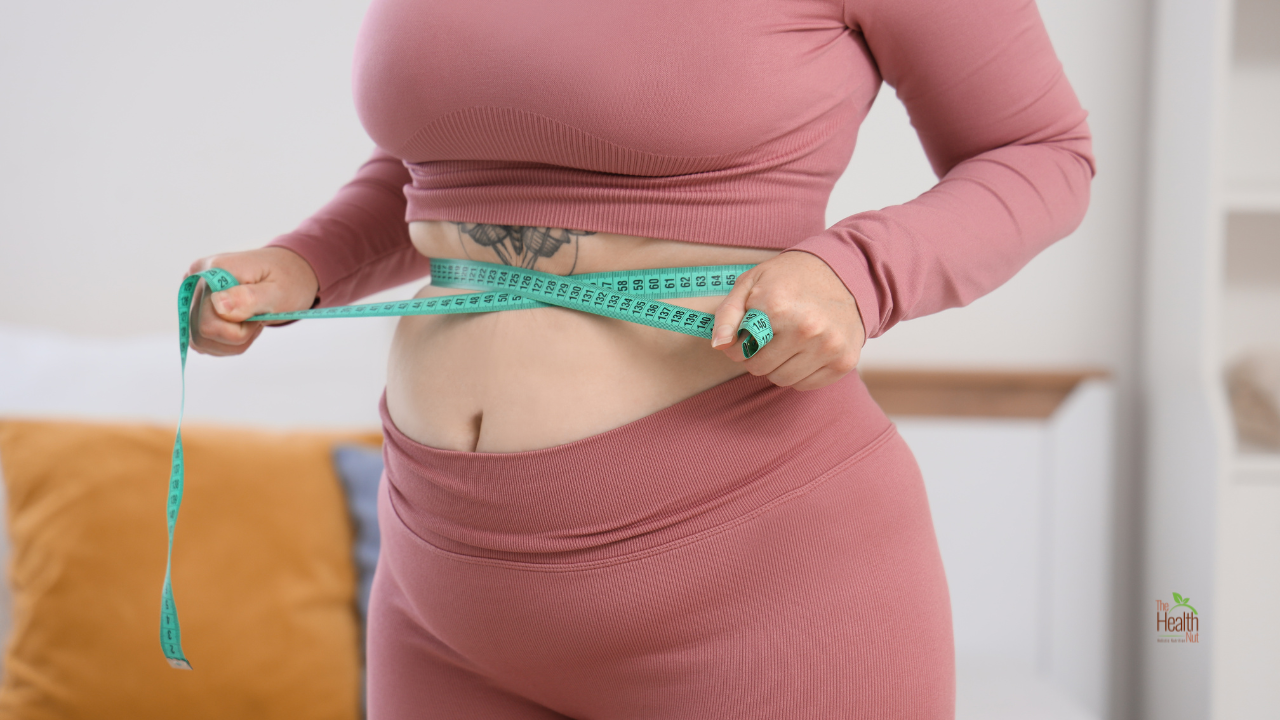
If you’re over 40 and feel like your body suddenly changed without your permission, you are not imagining things.
You didn’t suddenly lose willpower.
You didn’t suddenly become lazy.
You didn’t suddenly forget how to eat healthy.
Your hormones changed — and when hormones change, everything changes.
One of the biggest shifts that happens in a woman’s body after 40 is the gradual decline of estrogen. And this one change affects fat storage, metabolism, muscle mass, sleep, stress response, blood sugar, and even motivation to exercise.
Here's what I hear at The Health Nut every day:
-
“I’m eating the same but gaining weight.”
-
“My belly came out of nowhere.”
-
“I can’t lose weight no matter what I do.”
-
“I feel tired all the time.”
-
“Workouts that used to work don’t anymore.”
There is a reason for this.
And once you understand the connection between estrogen, visceral fat, stress, sleep, and metabolism, the picture starts to make sense.
Let’s connect the dots.
The Role of Estrogen in a Woman’s Metabolism
Estrogen is not just a reproductive hormone.
It plays a huge role in:
-
Fat distribution
-
Insulin sensitivity
-
Muscle maintenance
-
Appetite regulation
-
Inflammation control
-
Brain chemistry
-
Sleep quality
-
Stress response
During your 20s and 30s, estrogen helps keep fat stored in the hips and thighs instead of the abdomen. This pattern is sometimes called the pear shape, and metabolically speaking, it’s protective.
Fat stored under the skin (subcutaneous fat) is much less dangerous than fat stored deep inside the abdomen.
But after 40, estrogen starts to decline — slowly at first, then more noticeably during perimenopause and menopause.
And when estrogen drops, the body changes how and where it stores fat.
The Estrogen–Visceral Fat Connection
One of the most frustrating changes women notice after 40 is belly fat.
Not the soft, pinchable fat.
The deeper, harder fat that seems to sit inside the abdomen.
This is called visceral fat, and it behaves very differently from the fat you carried when you were younger.
Visceral fat surrounds the organs and is strongly linked to:
-
Insulin resistance
-
High blood sugar
-
High cholesterol
-
Heart disease
-
Fatty liver
-
Inflammation
-
Hormone imbalance
So why does it increase after 40?
Because estrogen used to help prevent it.
Estrogen helps regulate where fat is stored. When levels decline, the body shifts toward a more male-pattern fat distribution, which favors abdominal storage.
This is not just cosmetic, it’s metabolic...and it’s one of the reasons women often feel like their body suddenly turned against them. (wykyk)
Why Lower Estrogen Makes Weight Gain Easier
When estrogen declines, several things happen at the same time.
1. Insulin sensitivity decreases
Estrogen helps the body use insulin efficiently.
When estrogen drops, the body becomes more prone to insulin resistance, which means:
-
Blood sugar rises more easily
-
Fat storage increases
-
Cravings increase
-
Energy crashes happen more often
This is why women after 40 often feel like carbs affect them differently than they used to.
Because they do. Yet, that glass of red wine after dinner still feels like a good decision, until it isn't.
2. Muscle mass declines
Estrogen helps maintain muscle, so less estrogen means:
-
Lower muscle mass
-
Slower metabolism
-
Less calorie burn at rest
-
More fat storage
This is why doing the same workouts you did at 30 doesn’t give the same results at 45.
Your metabolism is not broken, it’s different. I hear all the time from women who don't want to lift weights because they don't want to "bulk up". Little do they know just how much they'd have to lift on a regular basis, how much more food (protein) they would have to eat. As a matter of fact, without a trainer purposely getting you there, you have no fear of overdoing it on your own. I'd put money on that!
3. Cortisol becomes more dominant
As estrogen drops, the stress hormone cortisol has a stronger effect. Higher cortisol leads to:
-
Belly fat storage
-
Poor sleep
-
Sugar cravings
-
Inflammation
-
Fatigue
This is why stress hits harder after 40, and why stress management becomes just as important as diet. Can't "handle things" the way you used to? Yup, this is why. Thankfully women over 50 are hard and fast on the "not my monkey, not my circus" attitude. Walk away!
4. Sleep becomes more fragile
Estrogen helps regulate the nervous system and body temperature.
When it declines, women often experience:
-
Night waking
-
Hot flashes
-
Light sleep
-
Early waking
-
Trouble falling asleep
Poor sleep increases cortisol and insulin resistance, which increases visceral fat.
This creates a cycle:
Less estrogen → worse sleep → more cortisol → more belly fat → worse metabolism
And women often blame themselves when it’s actually physiology.
Why Exercise Needs to Change After 40
One of the biggest mistakes women make in their 40s and 50s is doing more cardio and eating less, and don't even get me started on women who fast like they are 25 year old men. Ladies? You're not, and fasting isn't for you.
That strategy might have worked at 25, but it often backfires after 40.
When estrogen declines, the body becomes more sensitive to stress, and intense exercise without recovery can raise cortisol instead of improving metabolism.
This doesn’t mean you shouldn’t exercise, it means you need to exercise differently.
Strength training becomes essential
After 40, building and maintaining muscle is critical.
Muscle improves:
-
Insulin sensitivity
-
Metabolism
-
Bone density
-
Hormone balance
-
Fat burning
Women often avoid weights because they don’t want to get bulky (go back and read #2)
After 40, the problem is usually the opposite...not enough muscle.
Strength training 2–4 times per week can make a huge difference in how your body handles fat, especially visceral fat. Here me out ladies, back fat? This is how you can shift it.
Too much cardio can make things worse
Long, exhausting cardio sessions can increase cortisol, especially if sleep and nutrition are not optimal. When I first learned about this I swear, I was ELATED! I have hated cardio since the aerobic class days, (yes I'm dating myself) but that's ok, with age comes wisdom.
This can lead to:
-
Belly fat
-
Fatigue
-
Muscle loss
-
Plateaus
This is why many women say:
“I’m working out more than ever but gaining weight.”
It’s not that exercise is bad, we all need exercise, it’s just that the body after 40 needs balance, not punishment. More weights, less HIIT...NO HIIT.
Walking, resistance, and recovery work best
For many women in perimenopause and menopause, the best combination is:
-
Strength training
-
Walking
-
Moderate cardio
-
Mobility work
-
Enough rest
The goal is not to burn yourself out. The goal is to support your metabolism. If you do a 20-30 minute intense cardio session or a regular 1 hour cardio class and you don't recover from that for the rest of the day? Stay away!
Stress Becomes a Bigger Player After 40
When estrogen declines, the nervous system becomes more sensitive to stress. All the Newfie women in the room just heard the words "me nerves are shot" in their heads.
This means the same workload, family stress, or lack of sleep that you handled fine at 30 can feel overwhelming at 45.
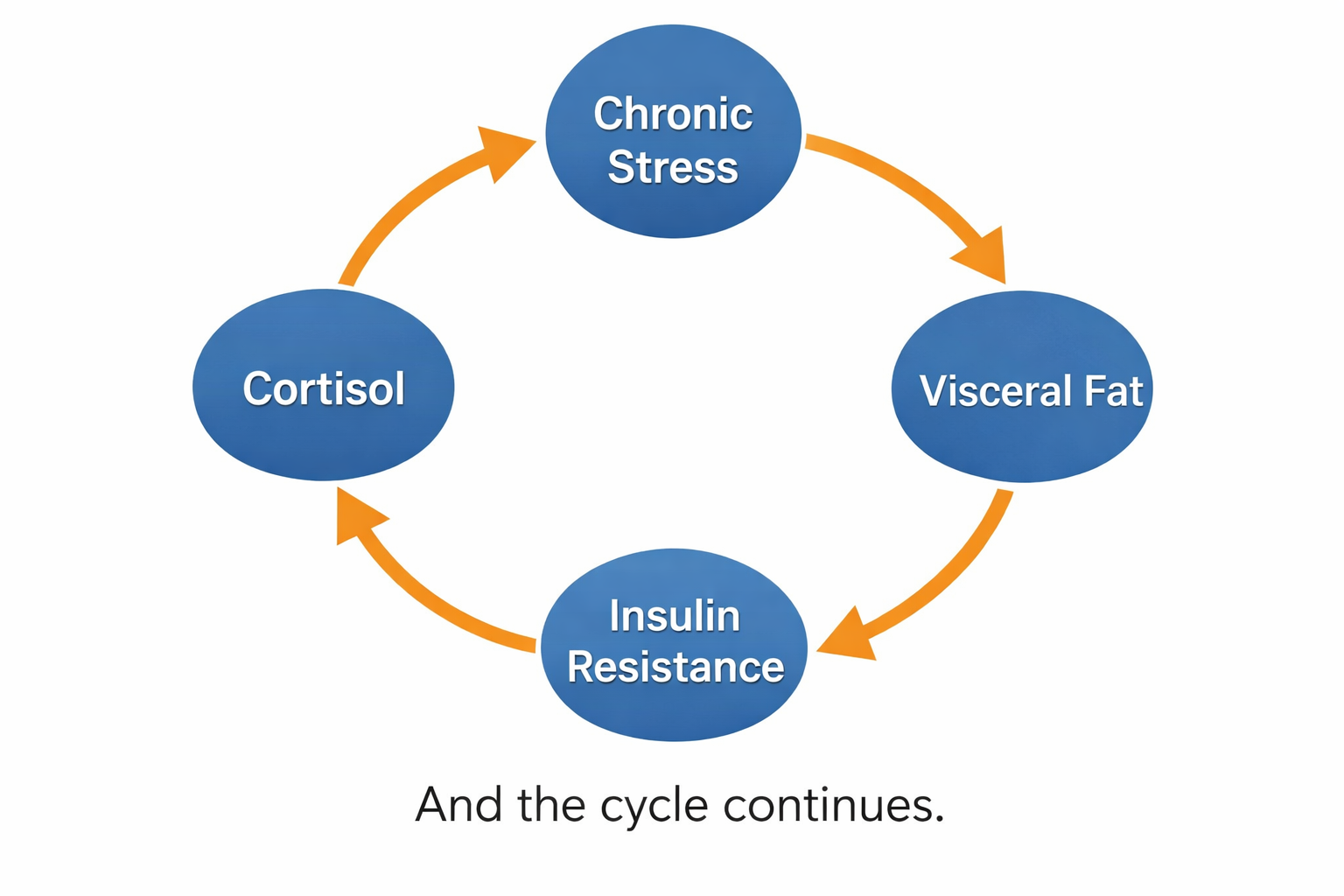
This is why stress management is not optional after 40, It’s metabolic.
Things that help regulate cortisol include:
-
Consistent sleep schedule
-
Balanced meals
-
Strength training
-
Walking
-
Time outdoors
-
Breathing exercises
-
Reducing caffeine
-
Eating enough protein
This is not about being perfect, it’s about lowering the overall stress load on the body.
Sleep Is No Longer Optional
After 40, sleep becomes one of the most powerful factors in metabolism.
Poor sleep can:
-
Increase hunger hormones
-
Increase insulin resistance
-
Raise cortisol
-
Increase visceral fat
-
Lower energy for exercise
-
Increase cravings
Many women try to fix weight gain with stricter dieting when the real problem is sleep. If your body is not recovering, it will not burn fat efficiently.
Supporting sleep after 40 may include:
-
Eating balanced meals
-
Not skipping dinner
-
Managing blood sugar
-
Reducing evening screen time
-
Getting enough magnesium
-
Managing stress
Your metabolism runs on rhythm and sleep, good quality sleep, is part of that rhythm.
Nutrition Needs to Be More Strategic
After 40, the body becomes less forgiving.
You can’t rely on willpower.
You need balance.
The biggest changes most women need are:
More protein
Protein helps:
-
Preserve muscle
-
Stabilize blood sugar
-
Reduce cravings
-
Support hormones
Many women over 40 are not eating enough protein, especially at breakfast, or for you soon to be ex-fasters, no protein until lunch or dinner sometime. My heart! Your body needs protein, lots of protein.
Better blood sugar control
Frequent spikes in blood sugar increase insulin, and insulin promotes fat storage.
Balanced meals with:
-
Protein
-
Healthy fats
-
Fiber
-
Controlled carbohydrates
This helps reduce visceral fat over time.
Regular meal timing
Skipping meals can increase cortisol and make insulin resistance worse.
Many women do better with consistent meal timing rather than constant snacking or long fasting windows, especially during perimenopause. Grazers unite!...then jump on a call with me and I will break your heart when I tell you that this is the single most damaging thing you can do if you are already dealing with insulin resistance.
Anti-inflammatory foods matter more
As estrogen declines, inflammation tends to increase.
This makes the body more sensitive to:
-
Sugar
-
Alcohol
-
Processed foods
-
Lack of sleep
-
Stress
Focusing on whole foods, good fats, vegetables, and quality protein supports hormone balance and metabolism.
The Real Message: Your Body Isn’t Broken, It’s Changing
After 40, your body needs a different strategy. This the role of a grandmother to a grandchild vs a mother to child. You need to slow down, be mindful, be kind and gentle (to yourself) learn to enjoy the journey instead of pumping to the finish line.
Not more punishment.
Not more restriction.
Not more extreme workouts.
It needs:
-
Smarter nutrition
-
Better sleep
-
Balanced exercise
-
Stress regulation
-
Muscle support
-
Blood sugar stability
When you work with your hormones instead of against them, your body responds differently.
You can reduce visceral fat.
You can improve metabolism.
You can feel strong again.
You can have energy again.
But the rules are different now, and once you understand why, the frustration starts to make sense. this is where I come in. My program The Health Nut Method, brings together the science of Metabolic Balance, that's based on your blood labs and a customized meal plan, and my background of working with clients in my role of a certified holistic nutritionist, to give you the results you've been looking everywhere for.
If you'd like to know how I can help empower you to get back control of your body and start feeling better in it, I got you!
Book a Discovery Call and let's chat about it!
No fees, no obligations, just a straight up conversation to help get you on the right path to better health.
Pam
If this blog post was something you're interested in hearing more about, please subscribe and get them sent directly to your inbox.
I only write and send information related to women over 40 and overall health. You can unsubscribe anytime you feel you've heard enough.